

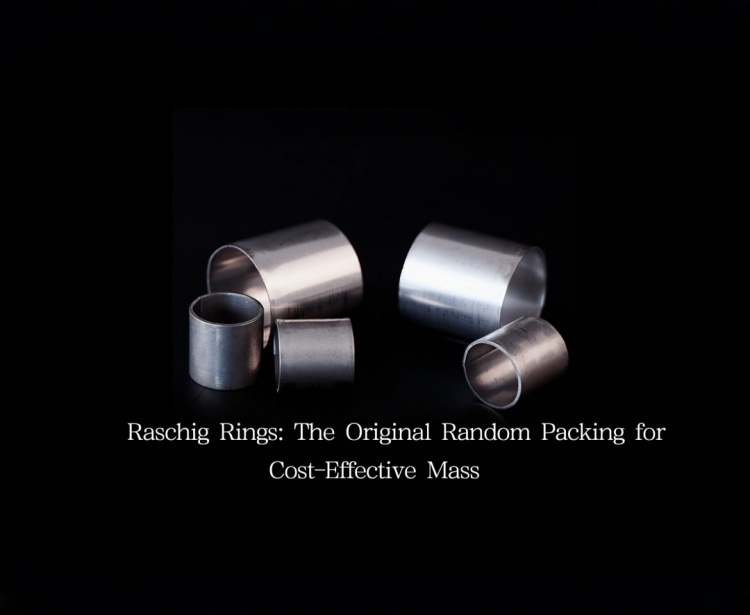
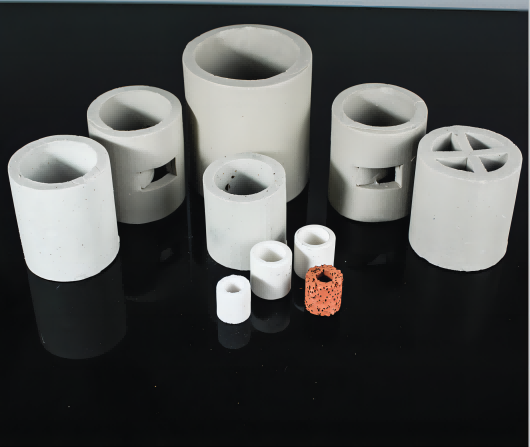
图 1:标准陶瓷拉西环,随机堆积的主力军。
发明于1914年, 拉西格环 对于吸收塔、汽提塔和蒸馏塔而言,拉西环仍然是最经济的解决方案。虽然新型填料压降更低,但拉西环具有无与伦比的耐化学腐蚀性,且成本更低,尤其是在高温陶瓷应用中。
本指南涵盖如何选择合适的材料(陶瓷、金属或塑料),并避免常见的陷阱,如破损和高压降。
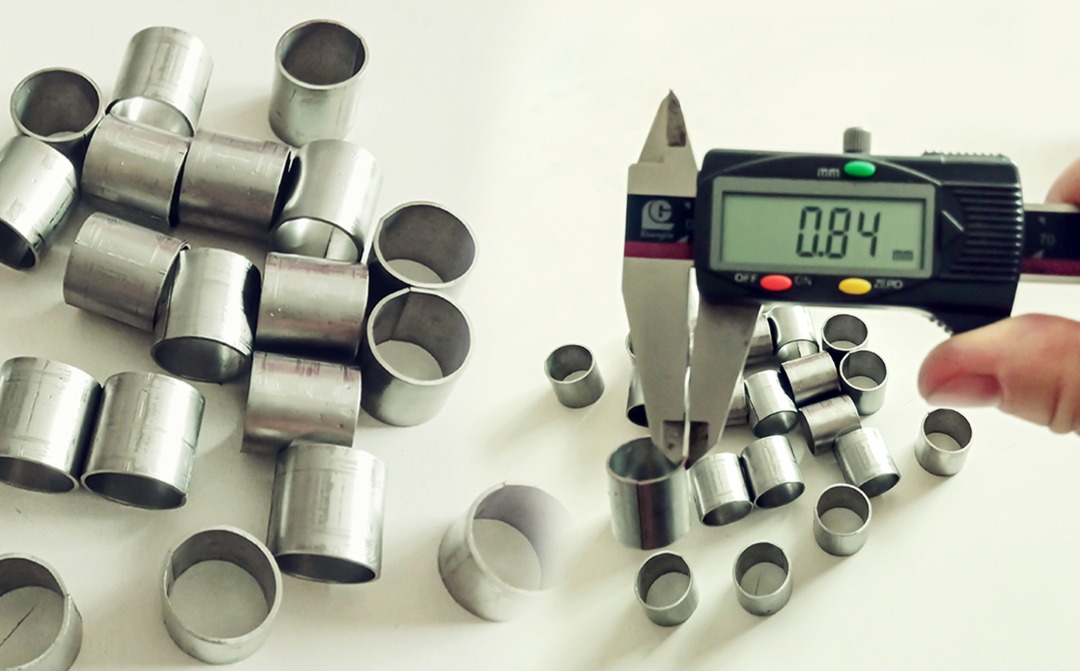
材料的选择决定了操作的限制。以下是选择拉西环的详细步骤:
| 材料 | 最高温度 | 化学抗性 | 最佳应用 |
|---|---|---|---|
| 陶瓷/瓷器 | 1200°C | 极佳(酸) | 硫酸干燥塔,高温 |
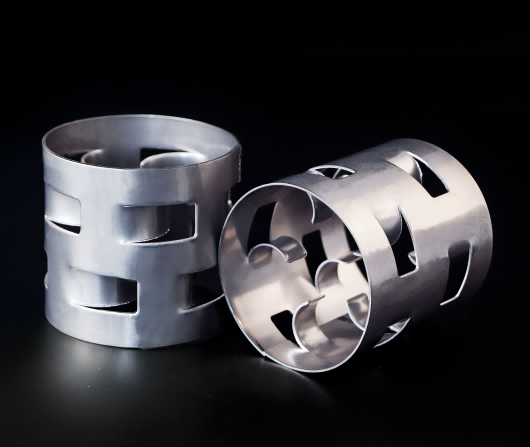
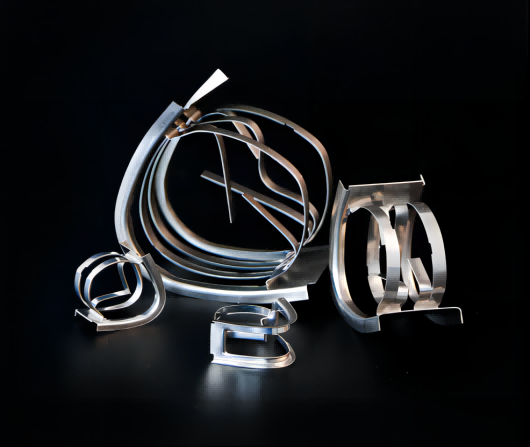
| 金属(SS304/316) | 400°C | 良好(广泛) | 烃类蒸馏,热冲击 |
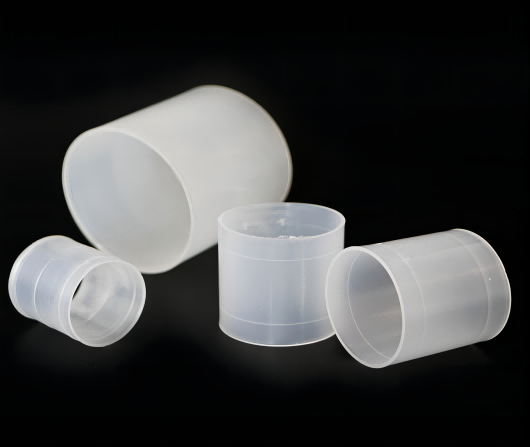
| 塑料(PP/PVC) | 90°C | 良好(基础) | 水处理,碱洗 |
由于其简单的形状,拉西环具有更大的“壁效应”(液体沿塔壁的通道效应)。为了减轻这种效应,请使用 多种尺寸 或者确保在床面上方安装合适的液体分配器。
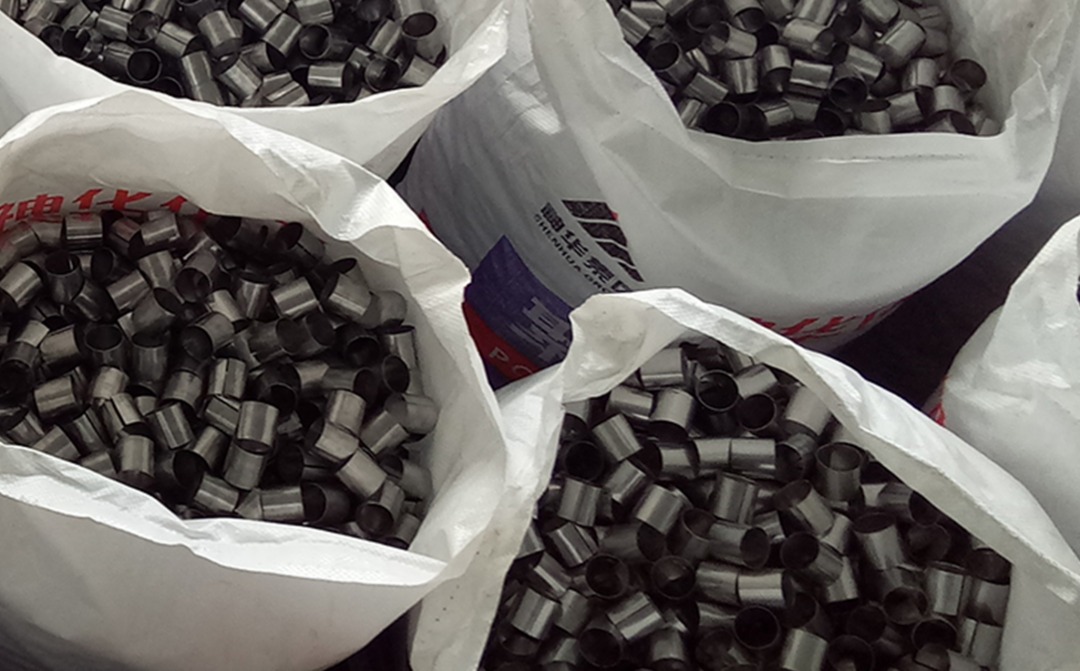
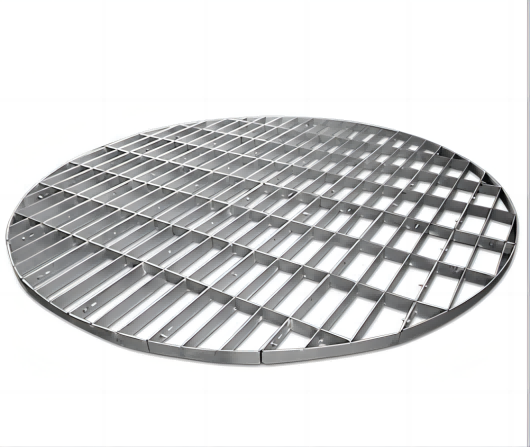
陶瓷环很脆。如果从10米高的塔顶掉落,它们会摔成粉末,堵塞支撑板。请使用…… 装料槽 或者采用袜子装载技术来最大限度地减少自由落体距离。
如果环径相对于塔径过大(超过塔径的 1/8),则会发生严重的沟流现象。务必保持…… 塔筒与环筒直径比 > 8:1.
FXSINO 我们每月为全球化工厂供应数百万个拉西环。请告知您所需的尺寸(16毫米、25毫米、38毫米、50毫米、76毫米)和材质,以便我们提供极具竞争力的报价。
联系 FXSINO:[[jackieqiu9202@gmail.com]] | [[18507999558]]
© 2026 中信石油化工包装有限公司 版权所有。
 地址
: Intersection of Jinguang Avenue and Chongqing Middle Road, Anyuan Industrial Park, Anyuan District, Pingxiang City, Jiangxi
地址
: Intersection of Jinguang Avenue and Chongqing Middle Road, Anyuan Industrial Park, Anyuan District, Pingxiang City, Jiangxi 电话
: +86-18507999558
电话
: +86-18507999558 电子邮件
: sales@fxsino.com
电子邮件
: sales@fxsino.com Whatsapp
:
+86-18507999558
Whatsapp
:
+86-18507999558





 支持IPv6网络